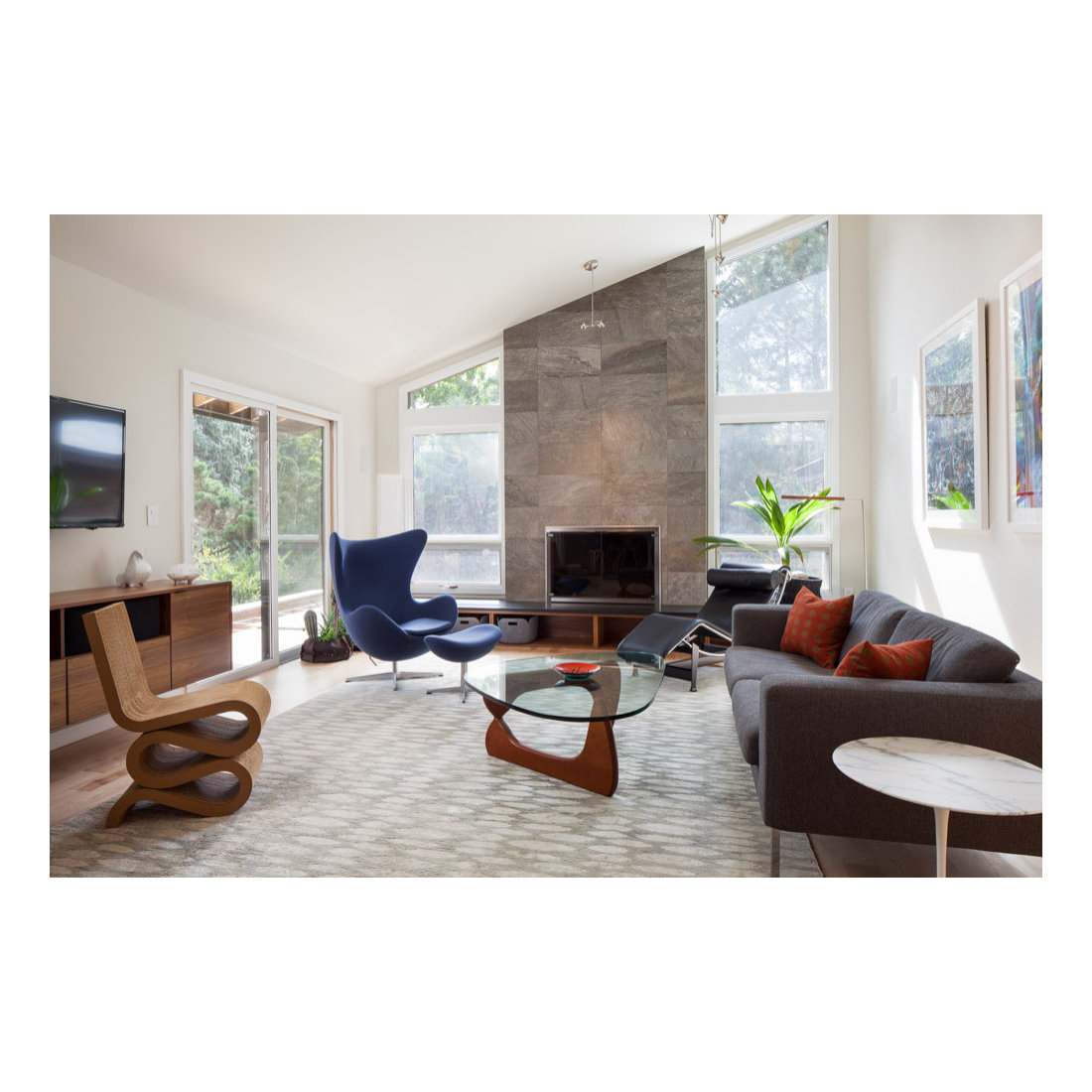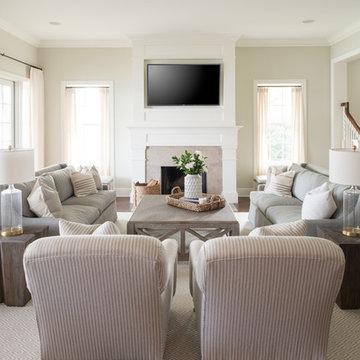


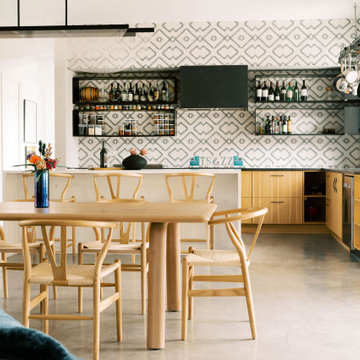

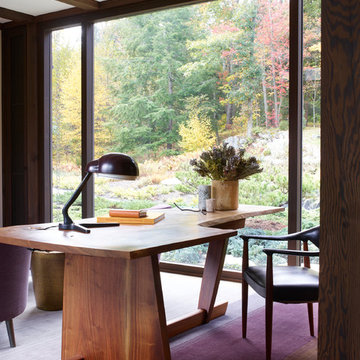
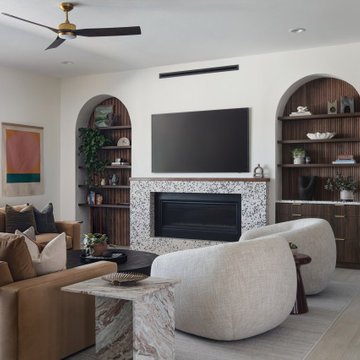


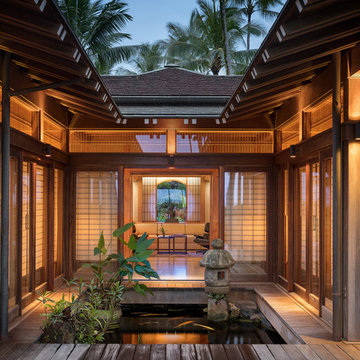
A useful kitchen moodboard is not a scrapbook of everything you like. It is a decision filter. When you open HowsRoom and save ten islands, twelve backsplashes, and three conflicting wood tones, you have collected enthusiasm — not direction. The goal is a board that could brief a designer in five minutes.

Write the one-sentence thesis first
Before browsing, write a sentence you can defend: “Quiet oak, soft stone, low-contrast brass.” Or “Graphite cabinets, warm oak floor, one sculptural pendant.” That sentence becomes the gate. If a beautiful image cannot support it, it does not enter the board — it goes to a maybe pile you will delete later.
Start with one non‑negotiable
Pick a single anchor: warm oak floors, a soapstone island, or matte black hardware. Every subsequent save should either support that anchor or clearly challenge it in a way you are willing to debate. If a photo only looks good because of golden-hour lighting you will never have, leave it.
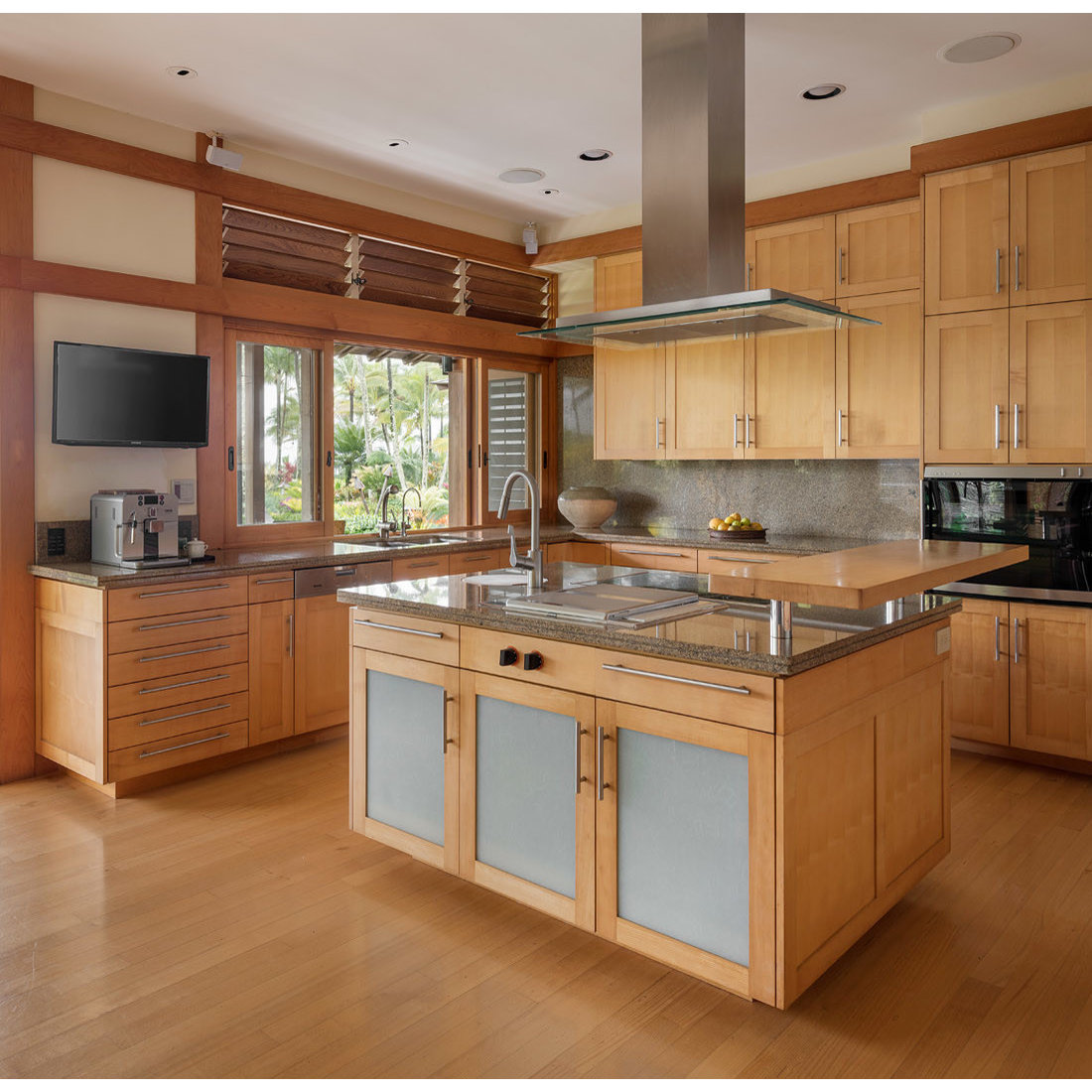
Limit the board to three material families
Cabinets, counters, and floor set the temperature of the room. Keep each family coherent — for example, rift white oak, honed quartzite, and a soft plaster wall. Brass or black metal can appear as a thin accent, not a fourth competing story. Count materials on any reference image; if you see more than five finishes fighting, it will not translate to a real kitchen.
- Cabinets: one wood tone or one paint family
- Counters: one stone story (quiet or veined — not both equally loud)
- Floor: warmer or cooler than cabinets, rarely identical
- Metal: one primary + optional thin secondary
- Backsplash: either matches wall calm or becomes the only pattern
Use HowsRoom rooms and search like a studio
Browse the Kitchen room for typology, then search phrases like “galley oak kitchen” or “green island soapstone.” Save only images that share the same light quality and proportion as your space. Boards work best when they feel like one house, not a showroom aisle.

When you can describe the kitchen in one sentence, you are ready to talk to a designer or retailer.
Edit weekly
Revisit the board and remove anything that no longer fits the anchor. A strong moodboard shrinks over time. Duplicate vibes? Keep the clearest photo. Conflicting islands? Choose the one that matches your floor plan’s circulation, not the one with the prettier stool.